Enhancing Security with Access Control in Statistics and Data Analytics on a Daily Basis
Category : | Sub Category : Posted on 2024-11-05 22:25:23
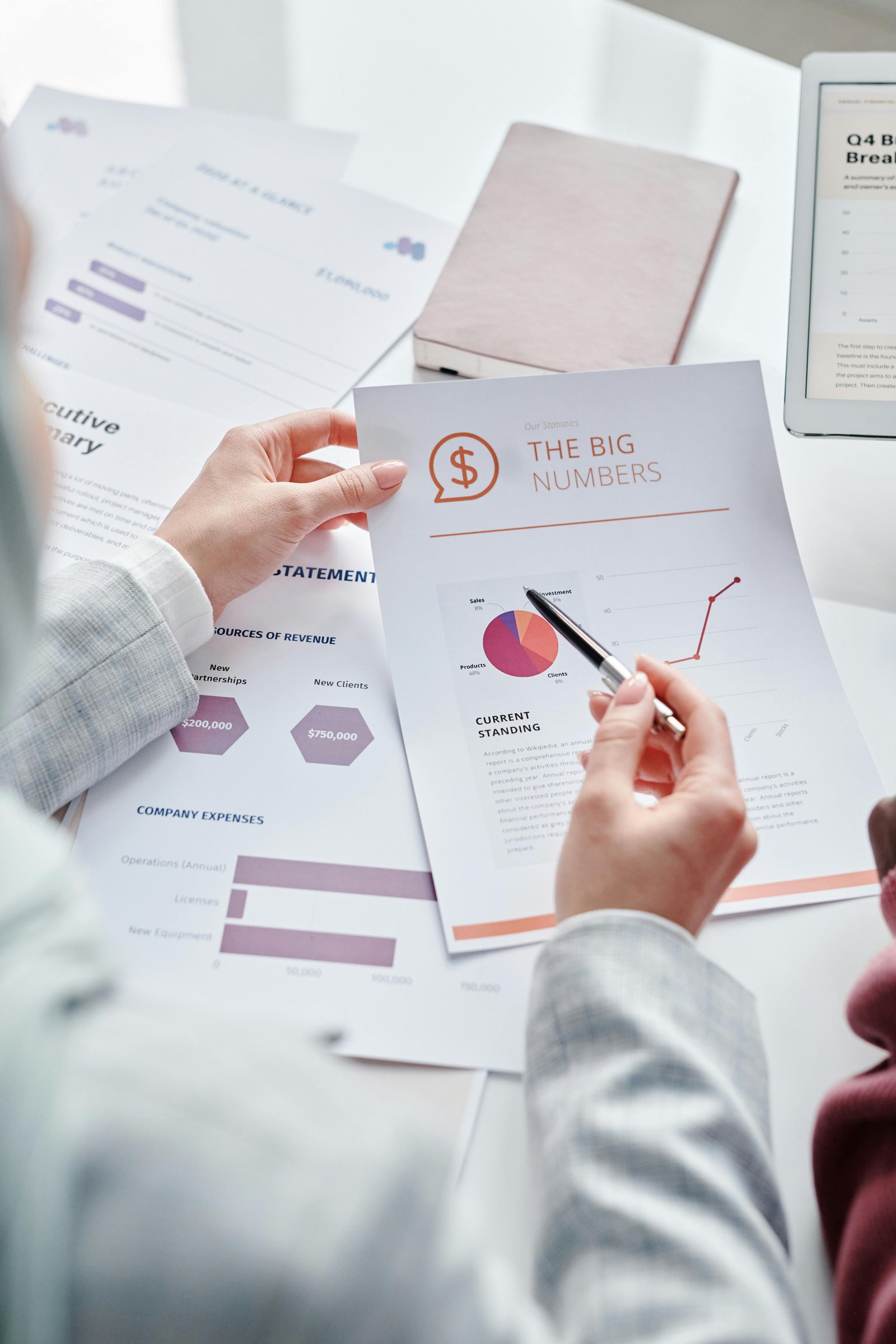
In the realm of statistics and data analytics, maintaining security is crucial to safeguard valuable information and insights. Access control plays a pivotal role in ensuring that data is protected from unauthorized access and tampering on a daily basis. By implementing robust access control measures, organizations can enhance security and maintain the integrity of their data analytics processes. Access control involves managing and regulating access to data, systems, and resources within an organization. Through the use of authentication, authorization, and accountability mechanisms, access control ensures that only authorized individuals can access specific data and perform certain actions. In the context of statistics and data analytics, access control helps prevent data breaches, unauthorized modifications, and other security threats that can compromise the accuracy and reliability of analytical results. One of the key aspects of access control in statistics and data analytics is defining and enforcing user roles and permissions. By assigning unique roles to individuals based on their job responsibilities and level of access needed, organizations can control who can view, edit, or delete specific datasets and analytical models. This granular control over access rights helps limit the risk of data misuse and unauthorized data manipulations. Furthermore, access control in statistics and data analytics involves implementing encryption techniques to protect data both at rest and in transit. By encrypting sensitive data, organizations can ensure that even if unauthorized users gain access to the information, it remains unintelligible and unusable to them. Additionally, organizations can use digital signatures and secure protocols to verify the authenticity of users and data transactions, further bolstering the security of their analytics processes. Regular monitoring and auditing of access control measures are essential to maintaining data security in statistics and data analytics. By keeping track of user activities, access attempts, and system logins, organizations can quickly detect any suspicious behavior or potential security breaches. Through routine security audits and assessments, organizations can identify vulnerabilities in their access control systems and take proactive measures to address them before they are exploited by malicious actors. In conclusion, access control plays a vital role in enhancing security in statistics and data analytics on a daily basis. By implementing robust access control measures, defining user roles and permissions, encrypting sensitive data, and monitoring system activities, organizations can safeguard their data analytics processes and prevent unauthorized access or tampering. Prioritizing access control in statistics and data analytics empowers organizations to leverage data-driven insights with confidence and security. Take a deep dive into this topic by checking: https://www.corriente.org Have a visit at https://www.computacion.org
Leave a Comment:
SEARCH
Recent News
- Understanding Women's Fatigue: Statistics from Zurich, Switzerland
- **Women and Fatigue: Understanding the Statistics and Tips to Overcome It**
- Women Fatigue in the Workplace: Statistics and Skills Development
- Unveiling the Reality of Women's Fatigue: Insights from Statistics Websites
- Fatigue is a common issue that affects many women in Warsaw, Poland, and around the world. Juggling multiple responsibilities, such as work, family, and social commitments, can take a toll on women's physical and mental well-being. In this blog post, we will explore some statistics related to women's fatigue in Warsaw, Poland.
- Women and Fatigue: The Role of Vitamin C and Fruits
- Women's Fatigue Statistics in Vietnamese Business Companies
- Vienna, the capital city of Austria, is known for its rich history, stunning architecture, and vibrant culture. However, like many cities around the world, Vienna also faces issues such as women fatigue. Women fatigue, also known as burnout, is a state of emotional, physical, and mental exhaustion caused by excessive and prolonged stress.
READ MORE
1 year ago Category :

Understanding Women's Fatigue: Statistics from Zurich, Switzerland
Read More →1 year ago Category :

**Women and Fatigue: Understanding the Statistics and Tips to Overcome It**
Read More →1 year ago Category :

Women Fatigue in the Workplace: Statistics and Skills Development
Read More →1 year ago Category :
