Navigating Data Analytics Regulations in Africa: What You Need to Know
Category : | Sub Category : Posted on 2024-11-05 22:25:23
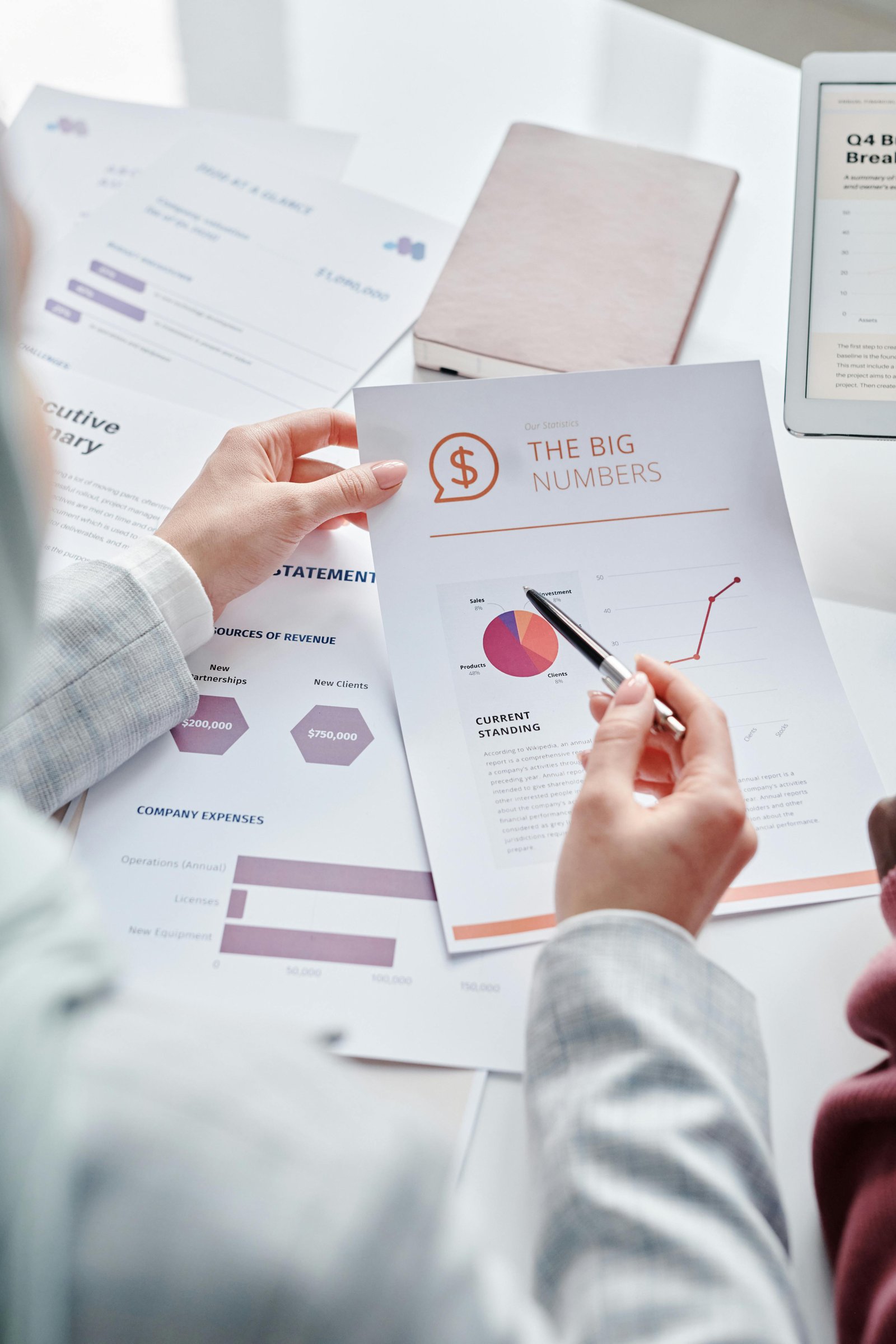
In recent years, data analytics has revolutionized industries across the globe, driving innovation, efficiency, and growth. Africa is no exception, as businesses and organizations on the continent increasingly leverage data to gain insights and make informed decisions. However, this rise in data analytics brings with it a host of legal and regulatory considerations that must be navigated to ensure compliance and mitigate risks. Data protection and privacy laws are critical aspects of the regulatory landscape for data analytics in Africa. Many countries on the continent have enacted data protection laws inspired by international standards such as the General Data Protection Regulation (GDPR) in Europe. These laws govern how data is collected, processed, stored, and transferred, imposing obligations on organizations to safeguard personal information and ensure transparency and accountability in data handling practices. For example, in South Africa, the Protection of Personal Information Act (POPIA) establishes rules for the lawful processing of personal information and prescribes measures to protect the privacy rights of individuals. Similarly, Kenya's Data Protection Act sets out requirements for the lawful processing of personal data and empowers the Data Protection Commissioner to enforce compliance with the law. In addition to data protection laws, regulations governing data localization, cross-border data transfers, and data sharing agreements also play a crucial role in shaping the data analytics landscape in Africa. Some countries require data to be stored locally to promote data sovereignty and protect national interests, while others have restrictions on transferring data outside their borders to ensure data security and privacy. Furthermore, the use of data analytics in sensitive industries such as healthcare, finance, and telecommunications is subject to sector-specific regulations that impose additional compliance requirements and standards. For instance, the healthcare sector in many African countries must adhere to strict regulations to protect patient confidentiality and ensure the ethical use of health data for research and treatment purposes. As businesses and organizations in Africa increasingly embrace data analytics to drive growth and innovation, it is essential to stay abreast of the evolving legal and regulatory landscape governing data use. Working with legal experts and compliance professionals can help navigate the complex web of data analytics regulations in Africa and ensure that data practices align with legal requirements and industry standards. In conclusion, understanding and complying with data analytics regulations in Africa is paramount for organizations seeking to harness the power of data responsibly and ethically. By staying informed, engaging with relevant stakeholders, and implementing robust data governance practices, businesses can leverage data analytics to unlock new opportunities while maintaining trust and confidence in their data practices. For a comprehensive review, explore https://www.tonigeria.com For a fresh perspective, give the following a read https://www.tocongo.com For an extensive perspective, read https://www.toalgeria.com Expand your knowledge by perusing https://www.cientos.org To learn more, take a look at: https://www.savanne.org For more information about this: https://www.computacion.org
https://vollmacht.org
Leave a Comment:
SEARCH
Recent News
- Understanding Women's Fatigue: Statistics from Zurich, Switzerland
- **Women and Fatigue: Understanding the Statistics and Tips to Overcome It**
- Women Fatigue in the Workplace: Statistics and Skills Development
- Unveiling the Reality of Women's Fatigue: Insights from Statistics Websites
- Fatigue is a common issue that affects many women in Warsaw, Poland, and around the world. Juggling multiple responsibilities, such as work, family, and social commitments, can take a toll on women's physical and mental well-being. In this blog post, we will explore some statistics related to women's fatigue in Warsaw, Poland.
- Women and Fatigue: The Role of Vitamin C and Fruits
- Women's Fatigue Statistics in Vietnamese Business Companies
- Vienna, the capital city of Austria, is known for its rich history, stunning architecture, and vibrant culture. However, like many cities around the world, Vienna also faces issues such as women fatigue. Women fatigue, also known as burnout, is a state of emotional, physical, and mental exhaustion caused by excessive and prolonged stress.
READ MORE
1 year ago Category :

Understanding Women's Fatigue: Statistics from Zurich, Switzerland
Read More →1 year ago Category :

**Women and Fatigue: Understanding the Statistics and Tips to Overcome It**
Read More →1 year ago Category :

Women Fatigue in the Workplace: Statistics and Skills Development
Read More →1 year ago Category :
