The Intersection of Statistics, Politics, and Business Planning
Category : | Sub Category : Posted on 2024-11-05 22:25:23
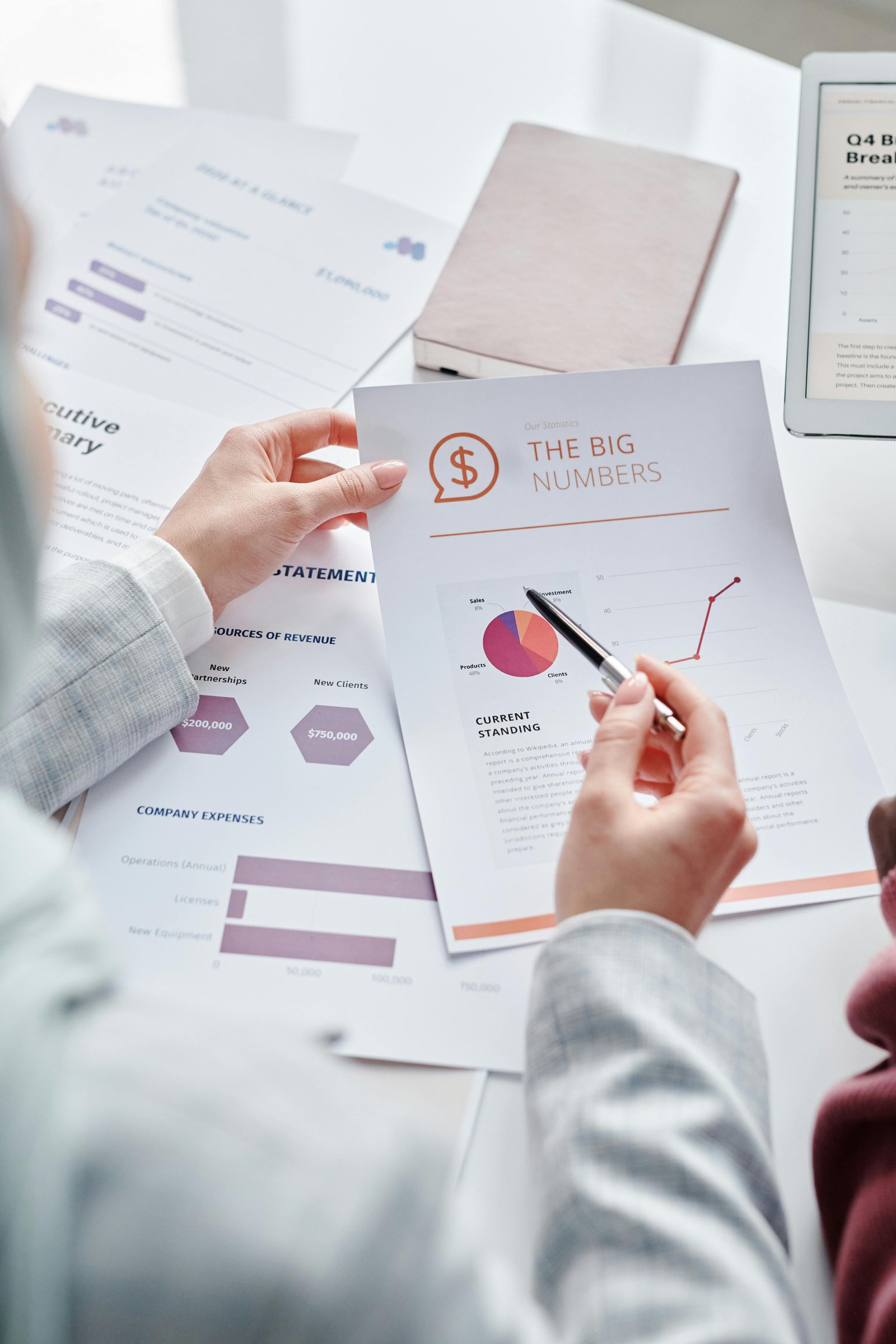
In the complex and interconnected world we live in today, the fields of statistics, politics, and business planning often intersect and influence each other in significant ways. Understanding these relationships can help us make more informed decisions and navigate the dynamic landscape of modern society. Statistics plays a crucial role in politics and business planning by providing the tools to analyze data, identify trends, and make predictions. In politics, statistical analysis is used to interpret opinion polls, track voting patterns, and forecast election outcomes. By utilizing statistical models, political analysts can gain insights into public opinion, voter behavior, and the probability of certain political events occurring. Similarly, in business planning, statistics are indispensable for market research, financial forecasting, and performance analysis. businesses rely on statistical data to assess consumer behavior, measure market trends, and evaluate the success of marketing campaigns. By applying statistical methods, businesses can make data-driven decisions to optimize their operations, improve profitability, and stay ahead of the competition. The intersection of statistics, politics, and business planning becomes even more apparent in today's data-driven environment. With the rise of big data and advanced analytics, the amount of information available for analysis has grown exponentially. This wealth of data presents new opportunities and challenges for policymakers, business leaders, and statisticians alike. In politics, the use of data analytics has revolutionized campaign strategies, voter targeting, and policy formulation. By leveraging data science techniques, politicians can tailor their messages to specific demographic groups, mobilize supporters more effectively, and enhance their overall campaign performance. Data-driven decision-making has become a game-changer in modern politics, allowing candidates to adapt to changing circumstances and improve their chances of electoral success. Likewise, in business planning, the integration of statistical analysis with emerging technologies such as artificial intelligence and machine learning has revolutionized how companies operate. Predictive analytics, for example, enables businesses to forecast future trends, anticipate customer needs, and optimize supply chain management. By harnessing the power of data and statistics, businesses can gain a competitive edge, drive innovation, and achieve sustainable growth. In conclusion, the relationship between statistics, politics, and business planning is symbiotic and mutually beneficial. By harnessing the power of statistical analysis, policymakers, business leaders, and analysts can gain valuable insights, make informed decisions, and navigate the complexities of the modern world with confidence. As we continue to embrace data-driven approaches and technological advancements, the synergy between statistics, politics, and business planning will only strengthen, shaping the future of society and driving progress across various sectors. Curious to learn more? Click on https://www.enemigo.org Visit the following website https://www.konsultan.org
https://continuar.org
Leave a Comment:
SEARCH
Recent News
- Understanding Women's Fatigue: Statistics from Zurich, Switzerland
- **Women and Fatigue: Understanding the Statistics and Tips to Overcome It**
- Women Fatigue in the Workplace: Statistics and Skills Development
- Unveiling the Reality of Women's Fatigue: Insights from Statistics Websites
- Fatigue is a common issue that affects many women in Warsaw, Poland, and around the world. Juggling multiple responsibilities, such as work, family, and social commitments, can take a toll on women's physical and mental well-being. In this blog post, we will explore some statistics related to women's fatigue in Warsaw, Poland.
- Women and Fatigue: The Role of Vitamin C and Fruits
- Women's Fatigue Statistics in Vietnamese Business Companies
- Vienna, the capital city of Austria, is known for its rich history, stunning architecture, and vibrant culture. However, like many cities around the world, Vienna also faces issues such as women fatigue. Women fatigue, also known as burnout, is a state of emotional, physical, and mental exhaustion caused by excessive and prolonged stress.
READ MORE
1 year ago Category :

Understanding Women's Fatigue: Statistics from Zurich, Switzerland
Read More →1 year ago Category :

**Women and Fatigue: Understanding the Statistics and Tips to Overcome It**
Read More →1 year ago Category :

Women Fatigue in the Workplace: Statistics and Skills Development
Read More →1 year ago Category :
