In today's society, statistics play a crucial role in shaping political decisions and influencing public opinion. However, with the power of statistics comes a responsibility to ensure that data is used accurately and ethically. In the realm of politics, statistics are often used to support arguments, justify policies, and sway public perception.
Category : | Sub Category : Posted on 2024-11-05 22:25:23
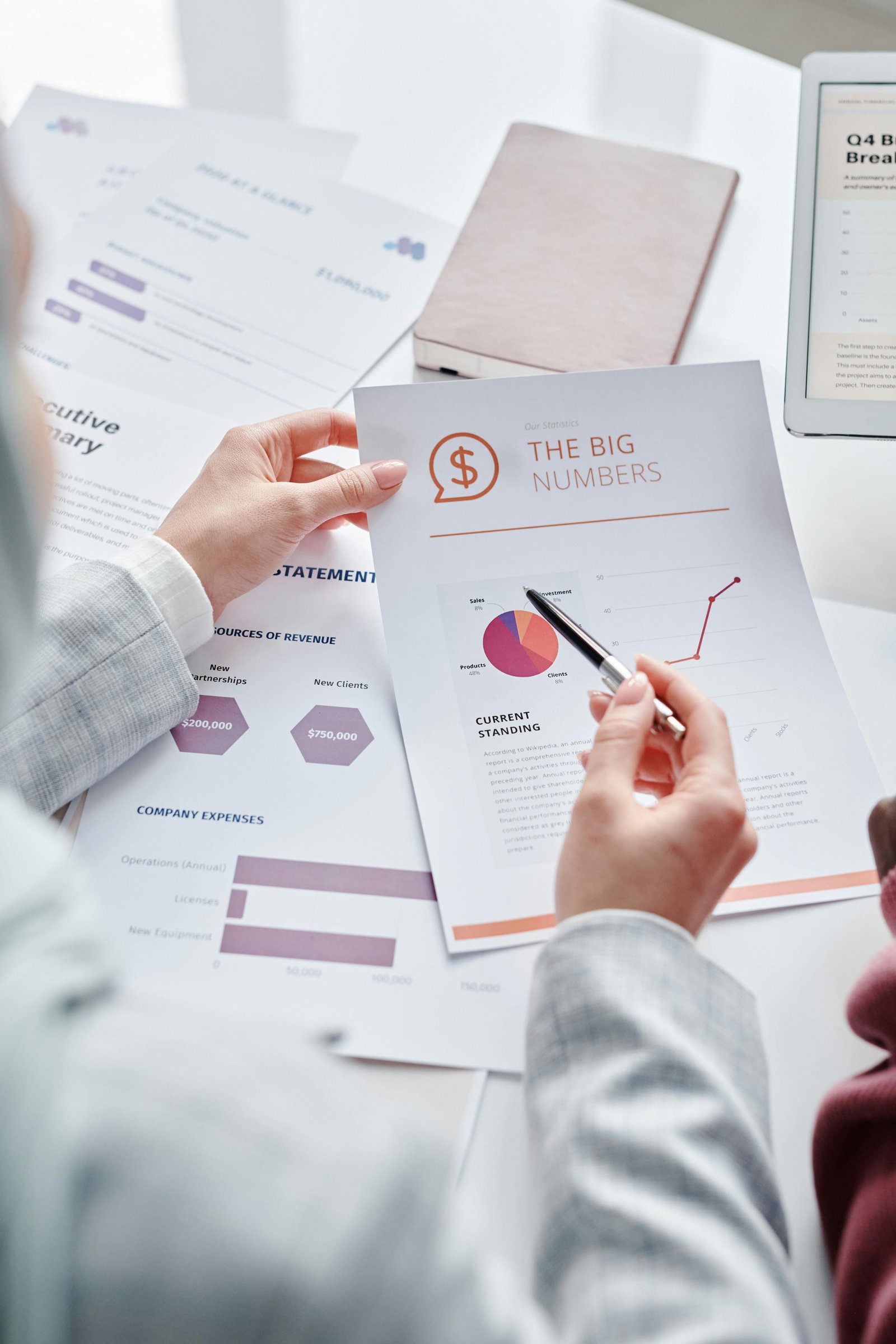
While statistics can be a powerful tool for understanding complex issues and informing policy-making, they can also be misused or manipulated to serve a particular agenda. It is essential for Politicians and policymakers to use statistics responsibly, ensuring that they are based on accurate and reliable data sources. One common complaint in the realm of statistics and politics is the misuse of data to support biased or misleading claims. Politicians may cherry-pick statistics that align with their viewpoints while ignoring conflicting data, creating a distorted picture of reality. This can lead to public distrust in both statistics and the political process as a whole. Another issue is the misinterpretation of statistics, where individuals may not fully understand the data they are presented with or how it was collected. This can result in misinformation spreading rapidly, influencing public opinion and policy decisions without a solid foundation in facts. To combat these issues, it is important for the public to be informed consumers of statistics and to critically evaluate the data presented to them. Fact-checking organizations and data literacy initiatives can help empower individuals to navigate the complex world of statistics and politics more effectively. In conclusion, statistics and politics are intertwined in our society, and it is essential for both policymakers and the public to approach data with a critical eye. By promoting transparency, accountability, and ethical practices in the use of statistics, we can work towards a more informed and responsible political landscape. Take a deep dive into this topic by checking: https://www.enemigo.org
Leave a Comment:
SEARCH
Recent News
- Understanding Women's Fatigue: Statistics from Zurich, Switzerland
- **Women and Fatigue: Understanding the Statistics and Tips to Overcome It**
- Women Fatigue in the Workplace: Statistics and Skills Development
- Unveiling the Reality of Women's Fatigue: Insights from Statistics Websites
- Fatigue is a common issue that affects many women in Warsaw, Poland, and around the world. Juggling multiple responsibilities, such as work, family, and social commitments, can take a toll on women's physical and mental well-being. In this blog post, we will explore some statistics related to women's fatigue in Warsaw, Poland.
- Women and Fatigue: The Role of Vitamin C and Fruits
- Women's Fatigue Statistics in Vietnamese Business Companies
- Vienna, the capital city of Austria, is known for its rich history, stunning architecture, and vibrant culture. However, like many cities around the world, Vienna also faces issues such as women fatigue. Women fatigue, also known as burnout, is a state of emotional, physical, and mental exhaustion caused by excessive and prolonged stress.
READ MORE
1 year ago Category :

Understanding Women's Fatigue: Statistics from Zurich, Switzerland
Read More →1 year ago Category :

**Women and Fatigue: Understanding the Statistics and Tips to Overcome It**
Read More →1 year ago Category :

Women Fatigue in the Workplace: Statistics and Skills Development
Read More →1 year ago Category :
