Understanding the Intersection of Statistics and Politics: A Concept Clarification
Category : | Sub Category : Posted on 2024-11-05 22:25:23
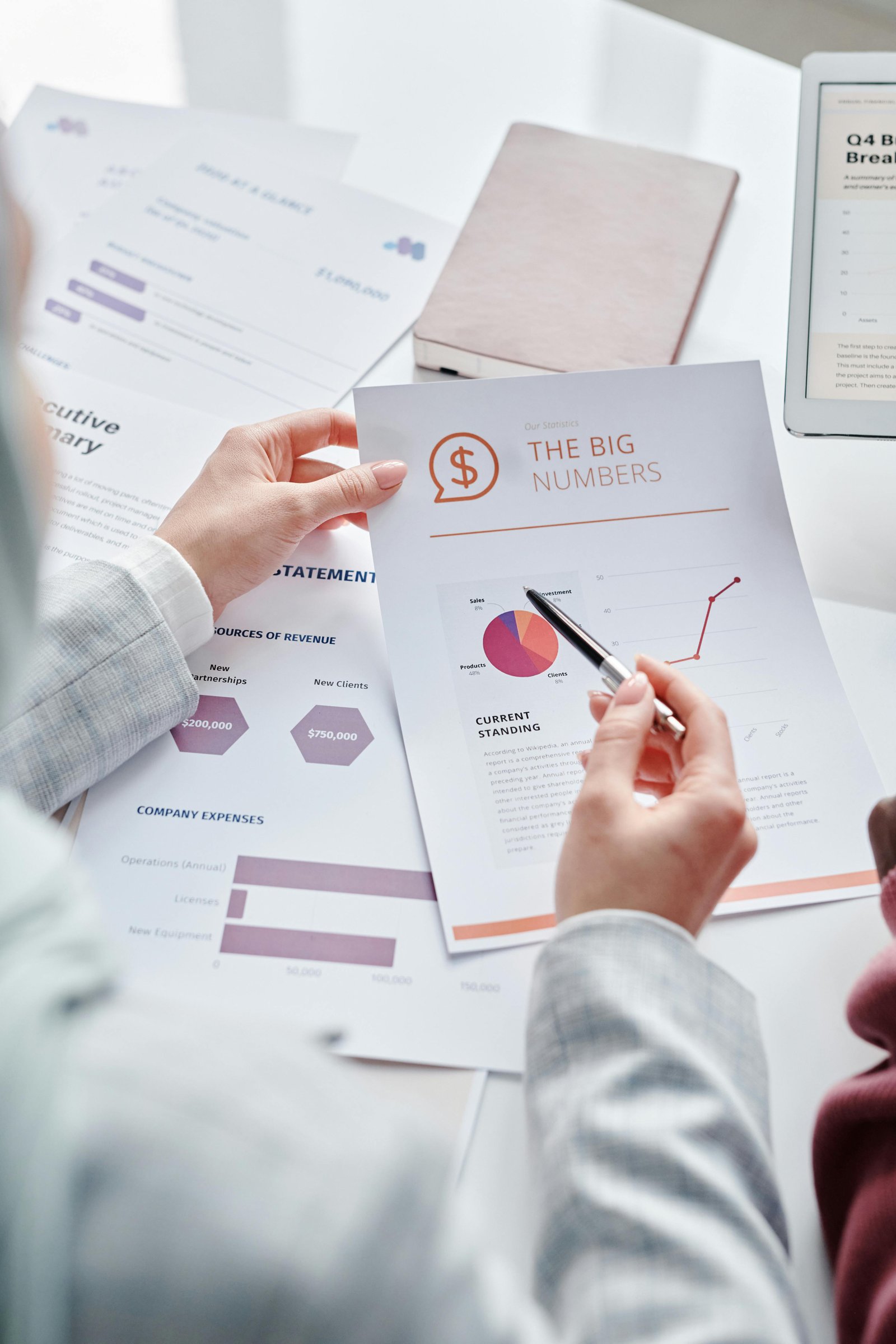
When it comes to the realm of Politics, statistics play a crucial role in shaping decisions, policies, and public opinion. Statistics in politics refer to the use of data analysis and numerical information to understand and interpret various political phenomena. In this blog post, we will delve into the concept of statistics in politics, clarify its definition, and explore its significance in the political landscape. ### Defining Statistics in Politics Statistics in politics involves the collection, analysis, interpretation, and presentation of data related to political events, processes, and outcomes. This data-driven approach helps policymakers, politicians, and researchers make informed decisions, evaluate government performance, predict election outcomes, and understand public opinion. Political statistics encompass a wide range of topics, including voter demographics, election results, public opinion polls, campaign finance data, legislative voting patterns, and policy impact assessments. By utilizing statistical methods such as regression analysis, hypothesis testing, and data visualization, political analysts can uncover patterns, trends, and relationships within political data sets. ### The Significance of Statistics in Politics Statistics play a pivotal role in modern politics for several reasons: 1. **Evidence-Based Decision-Making:** By relying on statistical evidence, policymakers can formulate policies and make decisions based on objective data rather than anecdotal evidence or personal biases. 2. **Predictive Analytics:** Statistical models can help forecast election results, assess the likelihood of policy success, and anticipate public reactions to political events. 3. **Accountability and Transparency:** Statistical analysis of government performance metrics, such as economic indicators or social welfare outcomes, can hold elected officials accountable to their constituents. 4. **Effective Communication:** Data visualization techniques, such as charts and graphs, help simplify complex political information and communicate key findings to the general public in a clear and accessible manner. ### Examples of Statistics in Politics - **Opinion Polls:** Surveys conducted to gauge public opinion on political issues, candidates, or policies. - **Election Forecasting:** Predictive models that analyze polling data, demographics, and historical trends to forecast election outcomes. - **Gerrymandering Analysis:** Statistical methods to detect and measure the extent of gerrymandering in electoral district boundaries. - **Policy Evaluation:** Assessing the impact and effectiveness of government policies through statistical analysis of relevant data. In conclusion, statistics in politics serve as a vital tool for understanding, analyzing, and influencing political processes and outcomes. By embracing data-driven approaches and statistical methods, policymakers and citizens alike can navigate the complexities of the political landscape with greater clarity and insight.
Leave a Comment:
SEARCH
Recent News
- Understanding Women's Fatigue: Statistics from Zurich, Switzerland
- **Women and Fatigue: Understanding the Statistics and Tips to Overcome It**
- Women Fatigue in the Workplace: Statistics and Skills Development
- Unveiling the Reality of Women's Fatigue: Insights from Statistics Websites
- Fatigue is a common issue that affects many women in Warsaw, Poland, and around the world. Juggling multiple responsibilities, such as work, family, and social commitments, can take a toll on women's physical and mental well-being. In this blog post, we will explore some statistics related to women's fatigue in Warsaw, Poland.
- Women and Fatigue: The Role of Vitamin C and Fruits
- Women's Fatigue Statistics in Vietnamese Business Companies
- Vienna, the capital city of Austria, is known for its rich history, stunning architecture, and vibrant culture. However, like many cities around the world, Vienna also faces issues such as women fatigue. Women fatigue, also known as burnout, is a state of emotional, physical, and mental exhaustion caused by excessive and prolonged stress.
READ MORE
1 year ago Category :

Understanding Women's Fatigue: Statistics from Zurich, Switzerland
Read More →1 year ago Category :

**Women and Fatigue: Understanding the Statistics and Tips to Overcome It**
Read More →1 year ago Category :

Women Fatigue in the Workplace: Statistics and Skills Development
Read More →1 year ago Category :
