Exploring the Intersection of Statistics and Politics in Helsinki, Finland
Category : | Sub Category : Posted on 2024-11-05 22:25:23
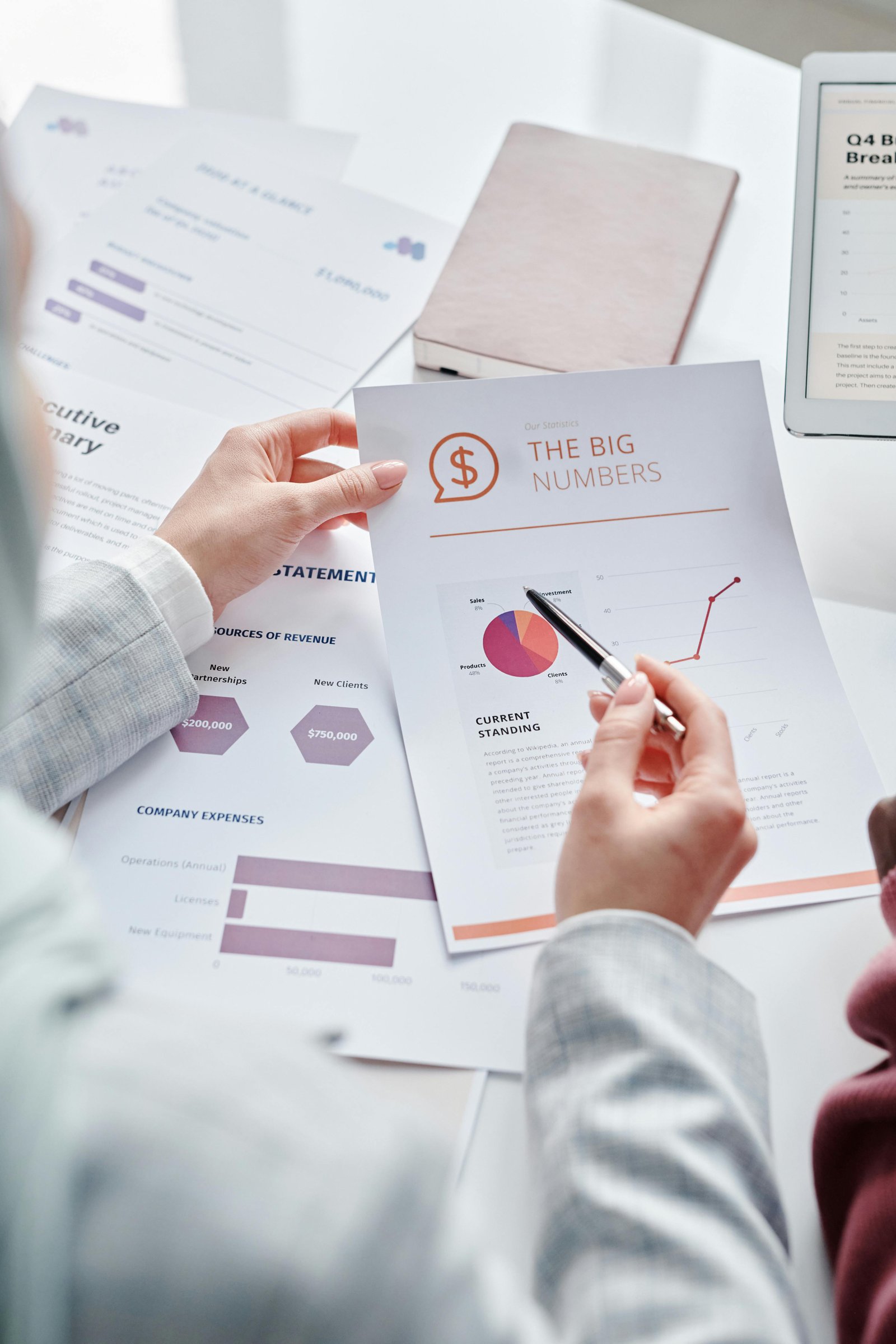
In today's interconnected world, the use of statistics in politics has become increasingly prevalent. One city where this intersection is particularly interesting to explore is Helsinki, Finland. As the capital and largest city of Finland, Helsinki serves as a hub of Political activity and statistical analysis. In this blog post, we will delve into how statistics shape politics in Helsinki, Finland. One key aspect of the relationship between statistics and politics in Helsinki is the use of data to inform policy decisions. Political leaders in Helsinki rely on statistical information to understand various aspects of their city, such as demographics, economic trends, and social issues. By analyzing data, policymakers can develop evidence-based policies that address the needs of Helsinki's diverse population. Another important way statistics influence politics in Helsinki is through voting and elections. Statistical analysis is used to predict voting outcomes, understand voter behavior, and assess political trends. Helsinki's electoral system is characterized by proportional representation, which means that political parties receive seats in the City Council based on the proportion of votes they receive. Data analysis plays a crucial role in predicting election results and forming coalition governments in Helsinki. Furthermore, statistics are used to measure the effectiveness of public policies and government programs in Helsinki. By collecting and analyzing data on various indicators, such as education outcomes, healthcare access, and environmental sustainability, policymakers can evaluate the impact of their initiatives. This data-driven approach helps ensure that resources are allocated efficiently and that policies are achieving their intended goals. In Helsinki, Finland, statistical analysis also plays a role in addressing social inequalities and promoting inclusivity. Data on income distribution, employment rates, and access to services helps policymakers identify marginalized communities and develop targeted interventions to reduce disparities. By using statistics to guide decision-making, political leaders in Helsinki can work towards creating a more equitable and inclusive society. Overall, the relationship between statistics and politics in Helsinki, Finland is a dynamic and interconnected one. Data analysis informs policy decisions, shapes electoral outcomes, evaluates government programs, and promotes social justice. By harnessing the power of statistics, political leaders in Helsinki can make informed decisions that benefit the city and its residents. As Helsinki continues to evolve and grow, the role of statistics in politics will only become more crucial. By embracing data-driven governance, Helsinki can build a more sustainable, equitable, and prosperous future for all its inhabitants. If you are interested you can check https://www.topico.net If you are enthusiast, check this out https://www.enemigo.org
Leave a Comment:
SEARCH
Recent News
- Understanding Women's Fatigue: Statistics from Zurich, Switzerland
- **Women and Fatigue: Understanding the Statistics and Tips to Overcome It**
- Women Fatigue in the Workplace: Statistics and Skills Development
- Unveiling the Reality of Women's Fatigue: Insights from Statistics Websites
- Fatigue is a common issue that affects many women in Warsaw, Poland, and around the world. Juggling multiple responsibilities, such as work, family, and social commitments, can take a toll on women's physical and mental well-being. In this blog post, we will explore some statistics related to women's fatigue in Warsaw, Poland.
- Women and Fatigue: The Role of Vitamin C and Fruits
- Women's Fatigue Statistics in Vietnamese Business Companies
- Vienna, the capital city of Austria, is known for its rich history, stunning architecture, and vibrant culture. However, like many cities around the world, Vienna also faces issues such as women fatigue. Women fatigue, also known as burnout, is a state of emotional, physical, and mental exhaustion caused by excessive and prolonged stress.
READ MORE
1 year ago Category :

Understanding Women's Fatigue: Statistics from Zurich, Switzerland
Read More →1 year ago Category :

**Women and Fatigue: Understanding the Statistics and Tips to Overcome It**
Read More →1 year ago Category :

Women Fatigue in the Workplace: Statistics and Skills Development
Read More →1 year ago Category :
