The Role of Statistics in Understanding and Empowering the Hispanic Community in Politics
Category : | Sub Category : Posted on 2024-11-05 22:25:23
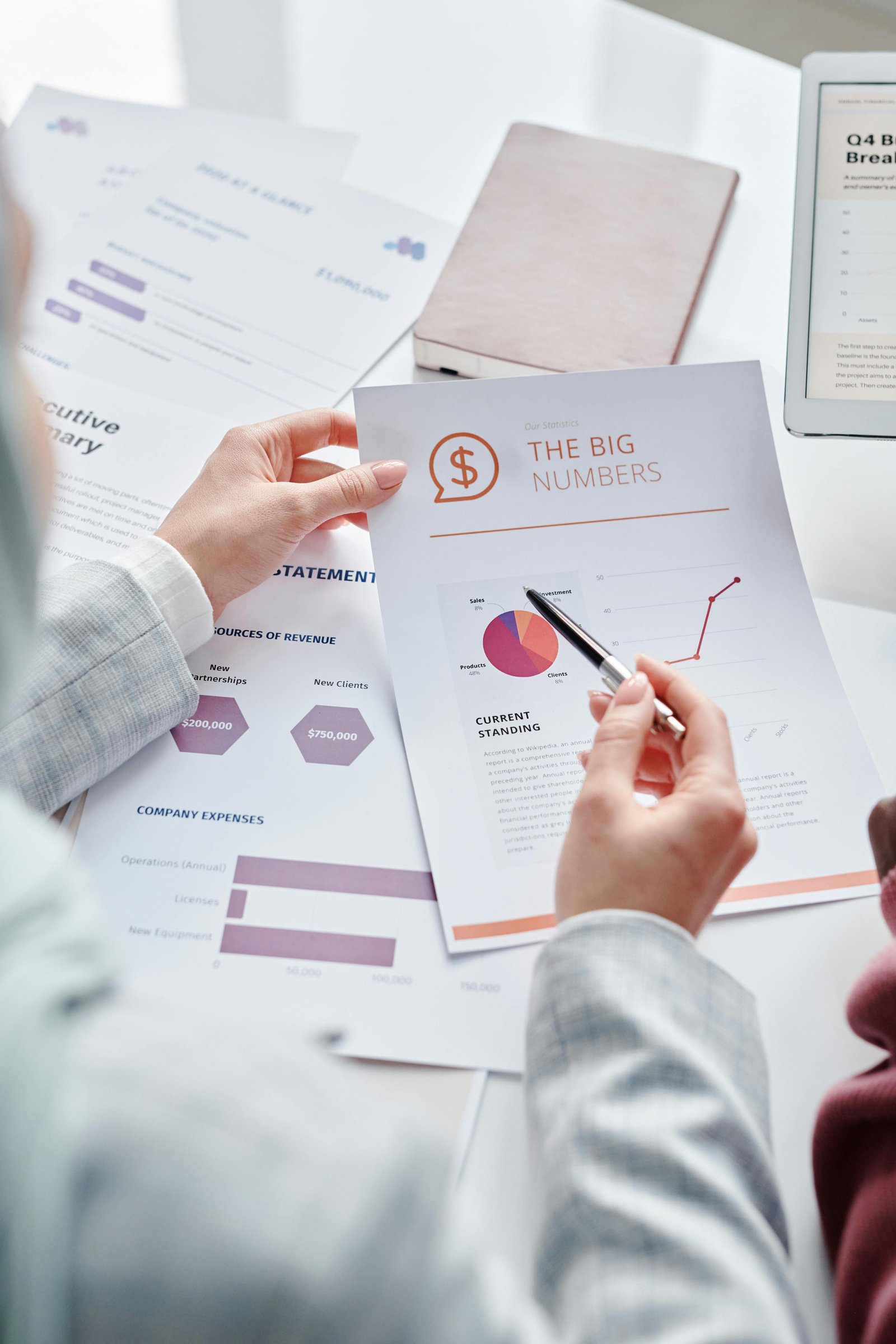
Introduction: statistics play a vital role in understanding various aspects of society, including politics and the representation of minority groups such as the Hispanic community. In the United States, Hispanic Americans make up a significant portion of the population, yet they are often underrepresented in political decision-making processes. By delving into statistical data, we can gain valuable insights into the challenges and opportunities faced by the Hispanic community in the realm of politics. Demographic Trends: Before diving into the specific role of statistics in politics, it is essential to explore some key demographic trends related to the Hispanic community. According to the latest census data, Hispanics are the largest minority group in the United States, comprising over 18% of the total population. This demographic shift has significant implications for political dynamics, as the Hispanic community's voting power continues to grow. Voter Turnout and Representation: One crucial aspect where statistics come into play is voter turnout and representation. Examining voter participation rates among Hispanic Americans can provide valuable information on political engagement within the community. Statistical analysis can reveal disparities in voter turnout based on factors such as age, education level, and socio-economic status. Moreover, statistics can shed light on the representation of Hispanic individuals in elected offices at various levels of government. By analyzing data on the number of Hispanic lawmakers, their policy priorities, and the impact of their advocacy efforts, we can assess the effectiveness of political representation within the Hispanic community. Policy Issues and Advocacy: Statistics also play a key role in identifying the most pressing policy issues facing the Hispanic community and gauging the effectiveness of advocacy efforts. By analyzing data on issues such as immigration reform, healthcare access, educational attainment, and economic opportunities, policymakers and advocates can tailor their strategies to address the needs of Hispanic Americans more effectively. Furthermore, statistical analysis can help measure the impact of policy interventions and advocacy campaigns on the well-being of the Hispanic community. By tracking key indicators such as employment rates, income levels, educational outcomes, and health disparities, we can evaluate the success of various initiatives aimed at advancing the interests of Hispanic individuals and families. Conclusion: In conclusion, statistics play a critical role in understanding and empowering the Hispanic community in politics. By leveraging data-driven insights, policymakers, advocates, and community leaders can work towards improving political representation, addressing key policy issues, and promoting the overall well-being of Hispanic Americans. As we continue to explore the intersection of statistics and politics, it is essential to prioritize data collection, analysis, and dissemination to drive positive change for the Hispanic community and advance a more inclusive and equitable political landscape. For more information about this: https://www.enemigo.org
Leave a Comment:
SEARCH
Recent News
- Understanding Women's Fatigue: Statistics from Zurich, Switzerland
- **Women and Fatigue: Understanding the Statistics and Tips to Overcome It**
- Women Fatigue in the Workplace: Statistics and Skills Development
- Unveiling the Reality of Women's Fatigue: Insights from Statistics Websites
- Fatigue is a common issue that affects many women in Warsaw, Poland, and around the world. Juggling multiple responsibilities, such as work, family, and social commitments, can take a toll on women's physical and mental well-being. In this blog post, we will explore some statistics related to women's fatigue in Warsaw, Poland.
- Women and Fatigue: The Role of Vitamin C and Fruits
- Women's Fatigue Statistics in Vietnamese Business Companies
- Vienna, the capital city of Austria, is known for its rich history, stunning architecture, and vibrant culture. However, like many cities around the world, Vienna also faces issues such as women fatigue. Women fatigue, also known as burnout, is a state of emotional, physical, and mental exhaustion caused by excessive and prolonged stress.
READ MORE
1 year ago Category :

Understanding Women's Fatigue: Statistics from Zurich, Switzerland
Read More →1 year ago Category :

**Women and Fatigue: Understanding the Statistics and Tips to Overcome It**
Read More →1 year ago Category :

Women Fatigue in the Workplace: Statistics and Skills Development
Read More →1 year ago Category :
