The Intersection of Statistics, Politics, and Insurance
Category : | Sub Category : Posted on 2024-11-05 22:25:23
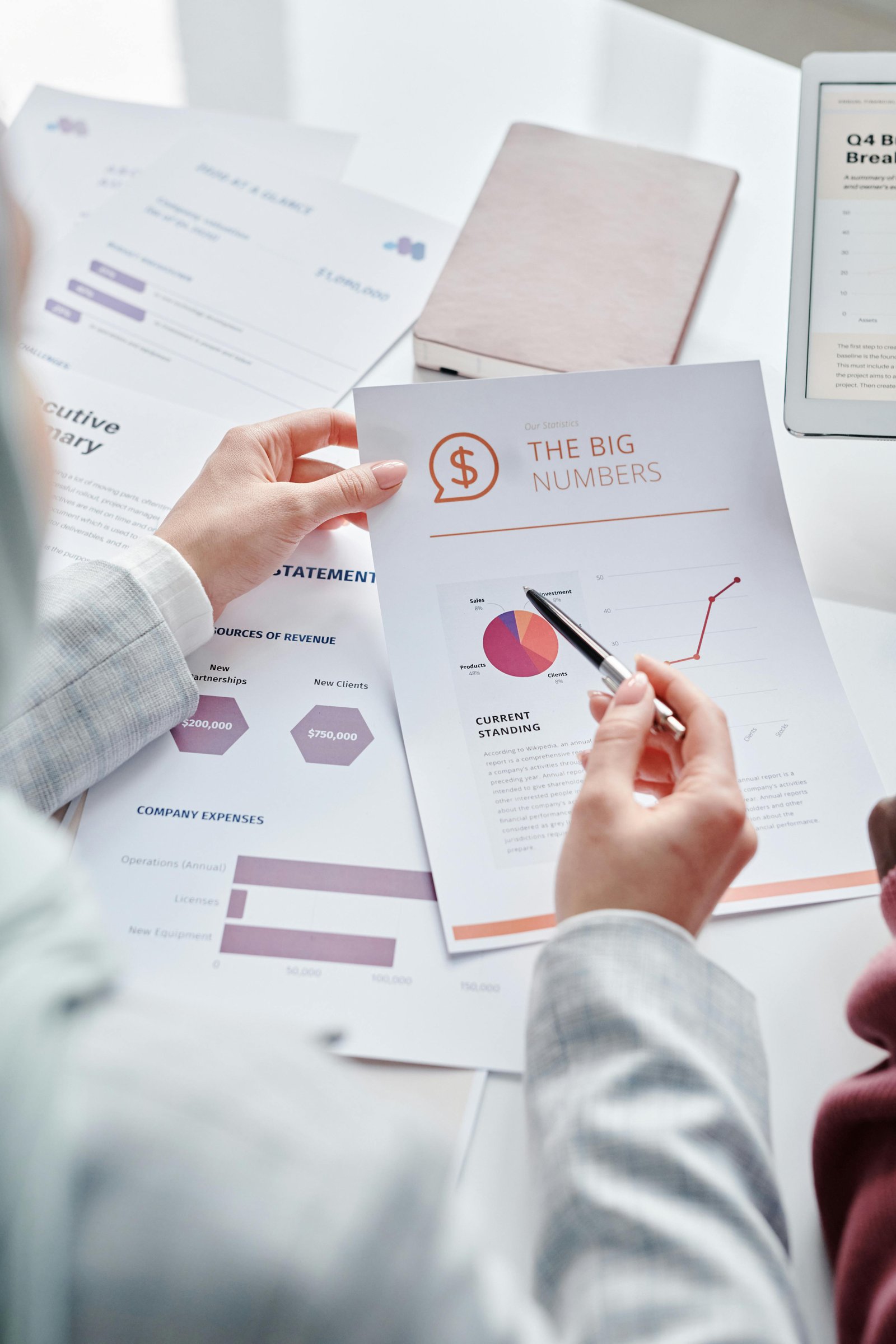
Statistics, Politics, and insurance are three diverse fields that may seem unrelated at first glance. However, these three areas are intricately connected and influence each other in various ways. In this blog post, we will explore how statistics, politics, and insurance intersect and impact each other. Statistics play a crucial role in the insurance industry, providing valuable insights to assess risks and set premiums. Actuaries use statistical techniques to analyze data and predict future events, such as the likelihood of accidents or the probability of claims being made. By leveraging statistics, insurance companies can make informed decisions to manage risks effectively and provide fair pricing to their customers. Politics also wields a significant influence on the insurance sector. Government policies and regulations shape the insurance market, affecting everything from the types of coverage available to the eligibility criteria for insurance plans. Political decisions can impact insurance companies' operations and bottom lines, ultimately shaping how insurers interact with their policyholders and the broader market. Moreover, the collection and analysis of statistical data in the insurance industry can be influenced by political agendas and priorities. Governments may mandate certain data reporting requirements or introduce regulations that affect how insurers conduct business. Political pressures can also drive changes in insurance laws and regulations, impacting how statistical models are used to evaluate risks and set premiums. In the realm of politics, statistics are often used to support policy decisions and shape public opinion. Data-driven insights can lend credibility to political arguments and guide policymakers in making informed choices. Whether it's analyzing voter demographics or assessing the impact of a new healthcare policy, statistics serve as a powerful tool in the political arena. On the other hand, insurance also intersects with politics through policies that address social issues. For example, governments may introduce insurance schemes to provide coverage for vulnerable populations or mandate certain types of insurance to ensure public safety. These initiatives are backed by statistical analyses that justify the need for such policies and assess their effectiveness in achieving desired outcomes. In conclusion, the fields of statistics, politics, and insurance share intricate connections that underscore their interdependence. Statistical insights inform decision-making in both politics and insurance, while political decisions shape the regulatory environment in which insurance operates. Understanding how these dynamics interact is crucial for navigating the complex landscape where statistics, politics, and insurance converge. By recognizing these intersections, stakeholders in each of these fields can make more informed choices and drive positive change in society.
Leave a Comment:
SEARCH
Recent News
- Understanding Women's Fatigue: Statistics from Zurich, Switzerland
- **Women and Fatigue: Understanding the Statistics and Tips to Overcome It**
- Women Fatigue in the Workplace: Statistics and Skills Development
- Unveiling the Reality of Women's Fatigue: Insights from Statistics Websites
- Fatigue is a common issue that affects many women in Warsaw, Poland, and around the world. Juggling multiple responsibilities, such as work, family, and social commitments, can take a toll on women's physical and mental well-being. In this blog post, we will explore some statistics related to women's fatigue in Warsaw, Poland.
- Women and Fatigue: The Role of Vitamin C and Fruits
- Women's Fatigue Statistics in Vietnamese Business Companies
- Vienna, the capital city of Austria, is known for its rich history, stunning architecture, and vibrant culture. However, like many cities around the world, Vienna also faces issues such as women fatigue. Women fatigue, also known as burnout, is a state of emotional, physical, and mental exhaustion caused by excessive and prolonged stress.
READ MORE
1 year ago Category :

Understanding Women's Fatigue: Statistics from Zurich, Switzerland
Read More →1 year ago Category :

**Women and Fatigue: Understanding the Statistics and Tips to Overcome It**
Read More →1 year ago Category :

Women Fatigue in the Workplace: Statistics and Skills Development
Read More →1 year ago Category :
