Understanding the Intersection of Statistics and Politics in Nigeria
Category : | Sub Category : Posted on 2024-11-05 22:25:23
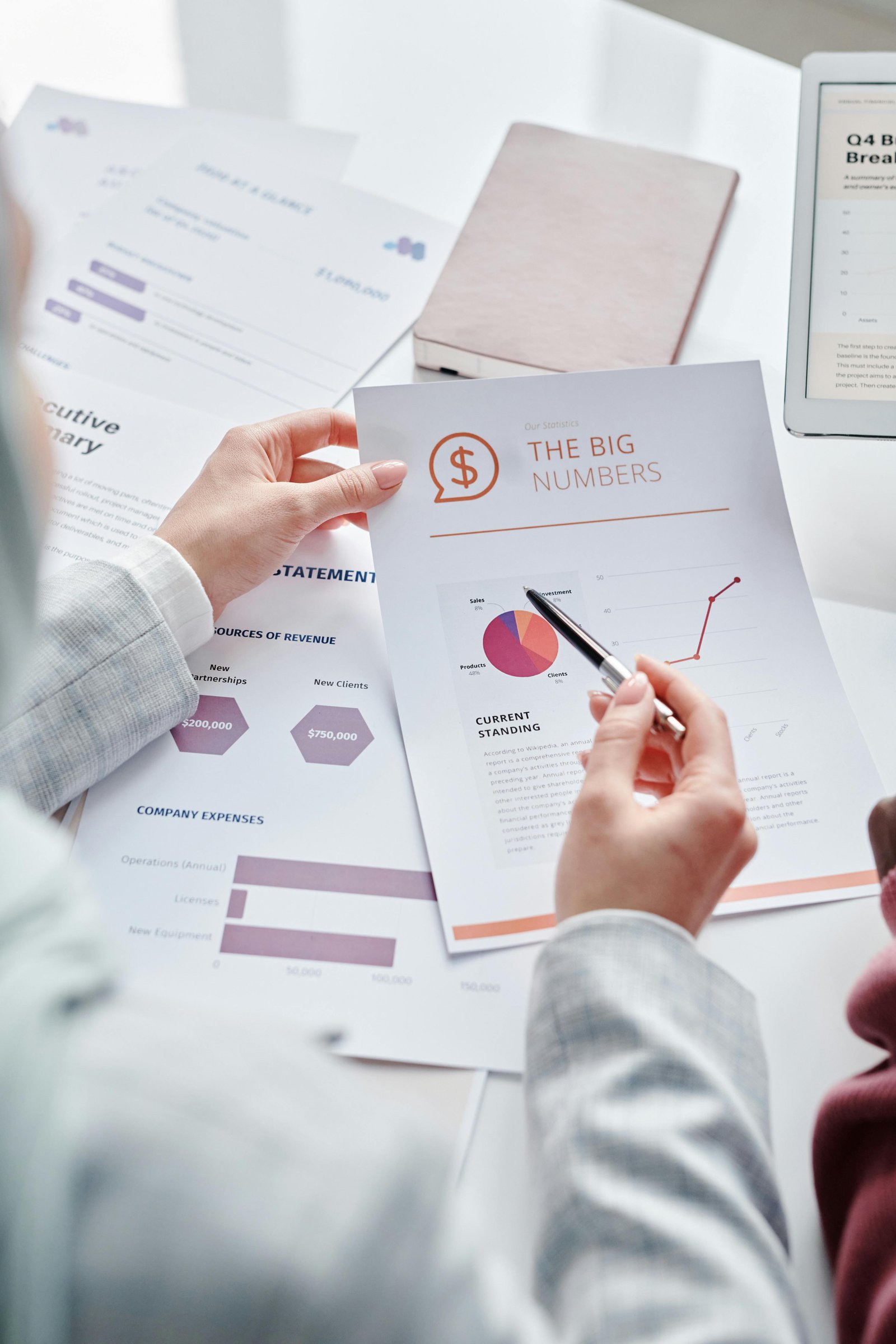
In Nigeria, statistics play a crucial role in shaping political discourse, decision-making, and public policy. Reliable data on various socio-economic indicators are essential for understanding the dynamics of the political landscape and developing effective strategies for governance. In this blog post, we explore the intersection of statistics and politics in Nigeria and how data-driven insights influence the country's political environment. 1. Population Statistics: Nigeria is the most populous country in Africa, with a population of over 200 million people. Accurate population statistics are essential for electoral planning, resource allocation, and policy formulation. The Nigerian government relies on census data and demographic surveys to understand the needs and preferences of its diverse population. 2. Election Data Analysis: Elections in Nigeria are highly contested, with political parties vying for power at various levels of government. Statistical analysis of election results, voter turnout, and demographic patterns helps analysts and policymakers understand voting behavior, identify trends, and predict outcomes. This data is crucial for monitoring the integrity of the electoral process and ensuring free and fair elections. 3. Socio-Economic Indicators: Statistics on poverty, unemployment, education, healthcare, and other socio-economic indicators provide insights into the quality of life of Nigerians and the distribution of resources. Policymakers use this data to design programs and interventions that address pressing social issues and promote inclusive development. 4. Corruption and Transparency: Transparency International ranks Nigeria among the most corrupt countries in the world. Statistical analysis of corruption cases, asset recovery, and anti-corruption efforts helps track progress in the fight against corruption and hold public officials accountable. Data-driven approaches are essential for promoting transparency, good governance, and accountability in Nigeria's political system. 5. Data Challenges: Despite the importance of statistics in politics, Nigeria faces challenges in data collection, management, and dissemination. Issues such as data quality, reliability, and accessibility hinder the effective use of statistics in policymaking and governance. Addressing these challenges requires investment in data infrastructure, capacity building, and technology to improve data collection and analysis processes. In conclusion, statistics play a vital role in shaping politics and governance in Nigeria. Data-driven insights provide a foundation for evidence-based decision-making, policy formulation, and public accountability. By leveraging statistics effectively, Nigeria can strengthen its democratic institutions, promote socio-economic development, and foster a more transparent and inclusive political environment. More in https://www.topico.net Check this out https://www.enemigo.org
Leave a Comment:
SEARCH
Recent News
- Understanding Women's Fatigue: Statistics from Zurich, Switzerland
- **Women and Fatigue: Understanding the Statistics and Tips to Overcome It**
- Women Fatigue in the Workplace: Statistics and Skills Development
- Unveiling the Reality of Women's Fatigue: Insights from Statistics Websites
- Fatigue is a common issue that affects many women in Warsaw, Poland, and around the world. Juggling multiple responsibilities, such as work, family, and social commitments, can take a toll on women's physical and mental well-being. In this blog post, we will explore some statistics related to women's fatigue in Warsaw, Poland.
- Women and Fatigue: The Role of Vitamin C and Fruits
- Women's Fatigue Statistics in Vietnamese Business Companies
- Vienna, the capital city of Austria, is known for its rich history, stunning architecture, and vibrant culture. However, like many cities around the world, Vienna also faces issues such as women fatigue. Women fatigue, also known as burnout, is a state of emotional, physical, and mental exhaustion caused by excessive and prolonged stress.
READ MORE
1 year ago Category :

Understanding Women's Fatigue: Statistics from Zurich, Switzerland
Read More →1 year ago Category :

**Women and Fatigue: Understanding the Statistics and Tips to Overcome It**
Read More →1 year ago Category :

Women Fatigue in the Workplace: Statistics and Skills Development
Read More →1 year ago Category :
