**Exploring the Intersection of Statistics, Public Relations, and Maps**
Category : | Sub Category : Posted on 2024-11-05 22:25:23
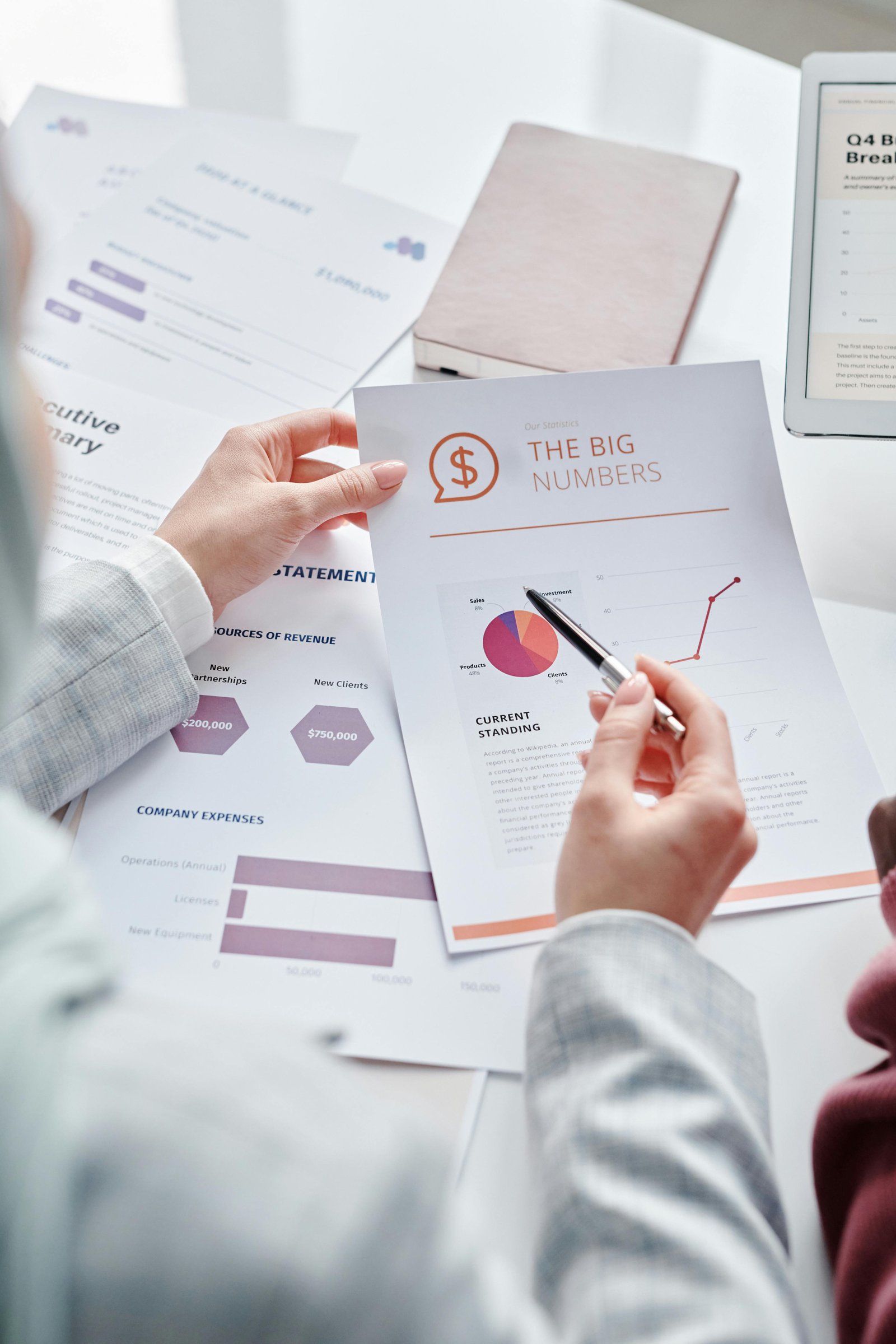
In today's fast-paced digital world, the fields of statistics, public relations, and mapping technology are becoming increasingly interconnected. The use of data-driven insights, strategic communication tactics, and visual representations of information are essential components for businesses and organizations looking to make informed decisions and engage with their target audiences effectively. **Statistics: Uncovering Insights** Statistics play a crucial role in helping businesses and organizations make sense of large amounts of data. By analyzing trends, patterns, and correlations within datasets, statisticians can uncover valuable insights that drive strategic decision-making. In the realm of public relations, statistics can be used to measure the effectiveness of PR campaigns, track media coverage, and evaluate audience engagement. For example, by conducting sentiment analysis on social media mentions, PR professionals can gauge public perception of a brand or campaign. They can also use statistical tools to measure the impact of press releases, events, and other PR activities on key performance indicators such as website traffic, lead generation, and customer conversions. **Public Relations: Building Relationships** Public relations is all about building and maintaining relationships with the public, media, stakeholders, and other key audiences. PR professionals use a variety of communication tactics, such as media relations, content creation, social media management, and event planning, to shape public perception and promote a positive image of their clients or organizations. By leveraging statistics and data analytics, PR professionals can fine-tune their messaging, target the right audience segments, and measure the success of their campaigns. For instance, A/B testing of email subject lines can help determine which messages resonate best with recipients, leading to higher open rates and engagement levels. PR teams can also use data visualization tools to create compelling infographics and reports that illustrate key messages and trends. **Maps: Visualizing Information** Maps are powerful tools for visualizing data and communicating information in a spatial context. Whether it's plotting customer locations, showcasing store distributions, or mapping out competitor locations, mapping technology provides valuable insights that can inform business strategies and PR initiatives. In the field of public relations, maps can be used to visualize media coverage, event locations, audience demographics, and social media mentions. By overlaying data on a map, PR professionals can identify geographical trends, target specific regions for outreach, and tailor messaging to local audiences. For example, a PR campaign promoting a product launch could use a map to target influencer partnerships in key cities or regions with high customer engagement. In conclusion, the integration of statistics, public relations, and mapping technology offers a powerful framework for organizations to analyze data, engage with their audiences, and visualize information in a meaningful way. By leveraging these tools and techniques, businesses can gain a competitive edge in today's data-driven marketplace and enhance their PR efforts to build strong relationships with customers, media, and stakeholders.
Leave a Comment:
SEARCH
Recent News
- Understanding Women's Fatigue: Statistics from Zurich, Switzerland
- **Women and Fatigue: Understanding the Statistics and Tips to Overcome It**
- Women Fatigue in the Workplace: Statistics and Skills Development
- Unveiling the Reality of Women's Fatigue: Insights from Statistics Websites
- Fatigue is a common issue that affects many women in Warsaw, Poland, and around the world. Juggling multiple responsibilities, such as work, family, and social commitments, can take a toll on women's physical and mental well-being. In this blog post, we will explore some statistics related to women's fatigue in Warsaw, Poland.
- Women and Fatigue: The Role of Vitamin C and Fruits
- Women's Fatigue Statistics in Vietnamese Business Companies
- Vienna, the capital city of Austria, is known for its rich history, stunning architecture, and vibrant culture. However, like many cities around the world, Vienna also faces issues such as women fatigue. Women fatigue, also known as burnout, is a state of emotional, physical, and mental exhaustion caused by excessive and prolonged stress.
READ MORE
1 year ago Category :

Understanding Women's Fatigue: Statistics from Zurich, Switzerland
Read More →1 year ago Category :

**Women and Fatigue: Understanding the Statistics and Tips to Overcome It**
Read More →1 year ago Category :

Women Fatigue in the Workplace: Statistics and Skills Development
Read More →1 year ago Category :
